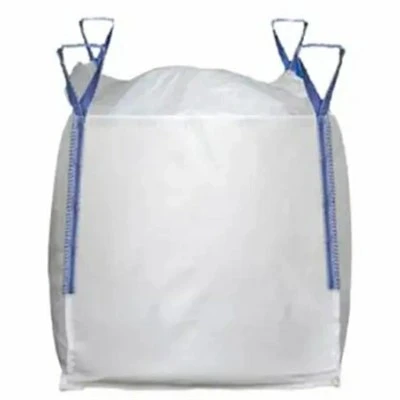
The primary raw materials for flexible intermediate bulk containers (FIBCs)-commonly known as "ton bags"-are polypropylene (PP) or polyethylene (PE). After being uniformly mixed with a small amount of stabilizing additives, the material is melted and extruded into a plastic film via an extruder. This film is then slit into filaments, stretched, and heat-set to produce high-strength, low-elongation PP yarn. Subsequently, this yarn is woven and laminated to form the base fabric for the plastic woven bag; finally, the bag is assembled by sewing this base fabric together with components such as lifting straps. Common production equipment includes filament extrusion machines, circular looms (or weaving machines), laminating machines, sewing machines, and strap-making machines .
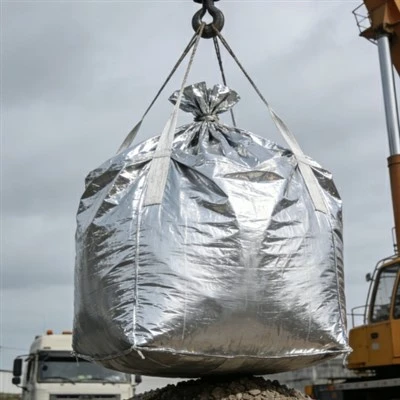
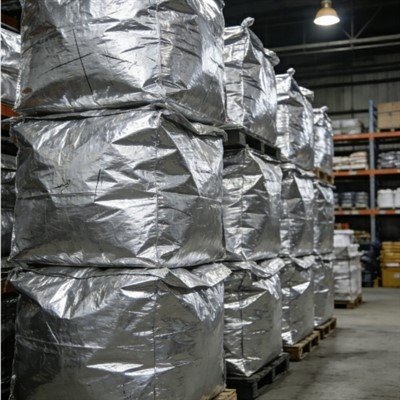
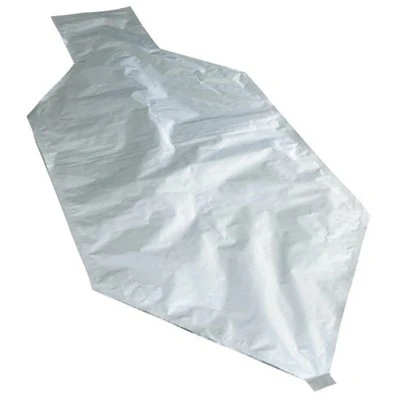
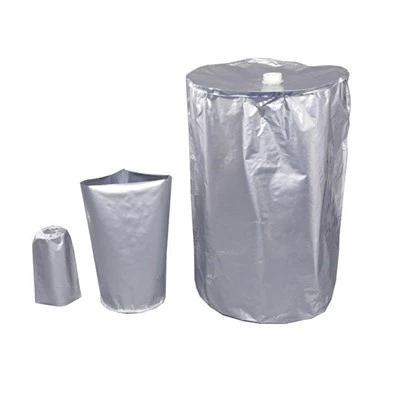
Based on the specific characteristics and requirements of the materials to be contained, FIBCs have evolved into various types, differing primarily in their base materials or post-processing techniques. For instance, aluminum-plastic composite bags (or aluminum foil bags) utilize a full aluminum foil inner liner paired with a woven fabric outer shell, offering properties such as water resistance, oxygen barrier capabilities, and corrosion resistance. Anti-static or conductive bags are manufactured using woven fabrics interlaced with conductive fibers or anti-static flat yarns-or alternatively, using specialized conductive fabrics-specifically designed to dissipate static electricity. "Baffle bags" (or form-stable bags) are constructed using thickened PP material and feature a more rigid structure designed to maintain a square shape and enhance load-bearing capacity.
The manufacture of FIBCs must adhere to relevant national or industry standards to ensure their performance and safety. For example, China's national standard GB/T 10454 (current version: GB/T 10454-2025) stipulates the technical requirements for flexible intermediate bulk containers intended for non-hazardous goods .
Furthermore, there are specific standards for testing methodologies regarding particular performance attributes, such as the top-lift test (SN/T 4788-2017), cyclic top-lift test (SN/T 3733-2013), and ground resistance test (SN/T 5160-2019). For FIBCs utilized in sectors such as express delivery, compliance is also required with mandatory national standards-such as the *Limits of Heavy Metals and Specific Substances in Express Packaging*-which establish strict limits on hazardous substances (e.g., heavy metals).
Type: Reusable / Single-use
Shape: Square / Rectangular
Lifting Method: Top-lift / Side-lift / Bottom-lift
Inlet: With Inlet / Without Inlet (Wide Opening / Waterproof Cover)
Outlet: With Outlet / Without Outlet
Raw Material: Polypropylene (PP)
Load Capacity: 0.3 – 2 tons