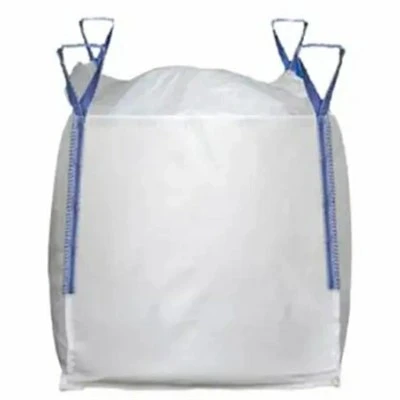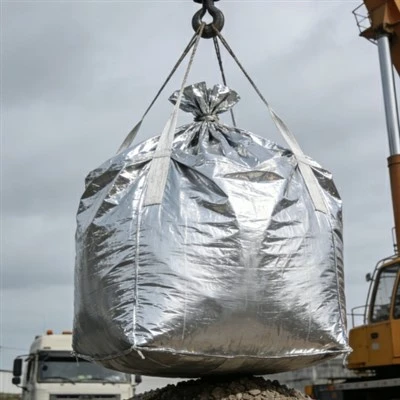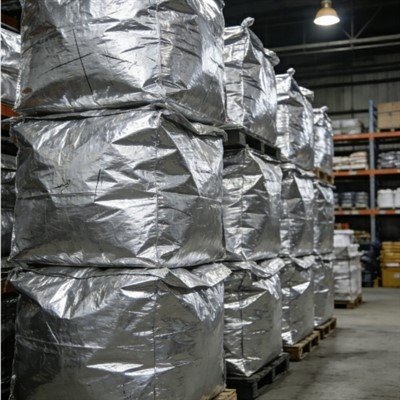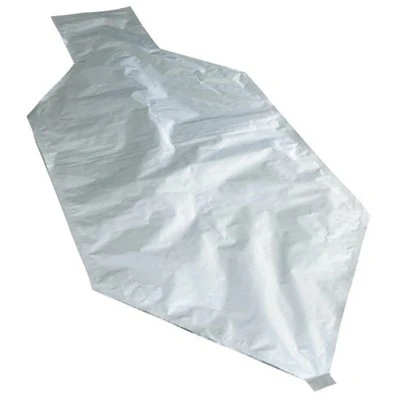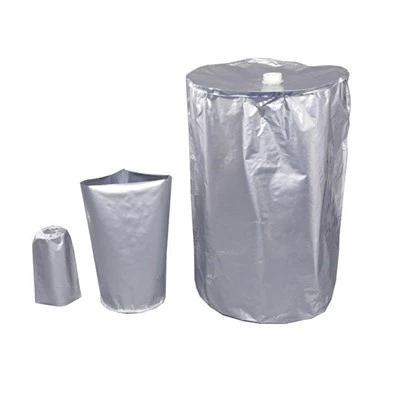
Classified by material and function, bulk bags (also known as FIBCs or "ton bags") primarily include woven fabric bags, aluminum-plastic laminate bags, anti-static/conductive bags, and baffle bags. Aluminum-plastic laminate bags offer advantages such as water and oxygen resistance, corrosion resistance, high tensile strength, and strong puncture resistance; they are widely used for the packaging, transport, and storage of new-energy battery electrode powders as well as various chemical raw materials. Anti-static/conductive bags are manufactured from specialized conductive fabrics-either woven from conductive plastic tapes or made from inherently conductive materials-and effectively dissipate static electricity to prevent combustion and explosions; they are frequently utilized for the packaging and transport of chemicals and hazardous materials. Baffle bags are constructed from thickened PP material, resulting in a more rigid structure that resists deformation once filled and offers superior load-bearing capacity; they are ideal for products requiring the bag to maintain an upright, cuboid shape. Woven fabric bags represent the most common type of bulk container bag.
Classified by application, common varieties include plastic bulk bags, woven bulk bags, and composite bulk bags. Plastic bulk bags are frequently used for transporting materials such as chemical fertilizers and grains, characterized by their water-resistant and corrosion-resistant properties. Woven bulk bags are predominantly used for construction materials-such as sand and gravel-and are distinguished by their high tensile strength and excellent breathability. Composite bulk bags combine the advantages of both plastic and woven materials, making them suitable for the transport of a wide variety of materials.
Bulk bags are primarily woven from synthetic fibers, such as polypropylene (PP) or polyethylene (PE). Typically, a 14x14 weave pattern utilizing high-denier flat tapes is employed to ensure structural integrity and strength.
To meet specific requirements, additives-such as chitin-can be incorporated into the packaging materials to impart anti-bacterial and anti-mold properties. When packaging specialized items, such as fresh fruits and vegetables, specialized packaging containers featuring ventilation holes may be utilized to facilitate airflow.