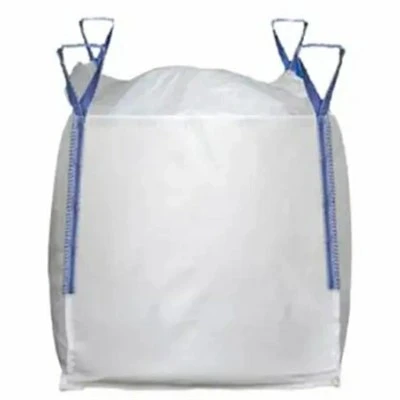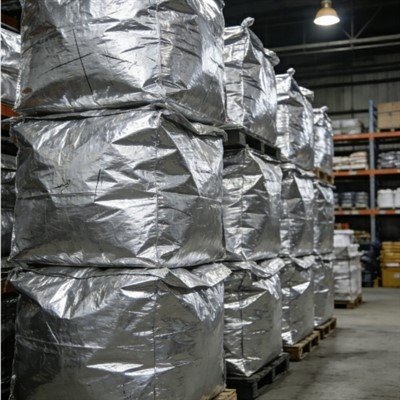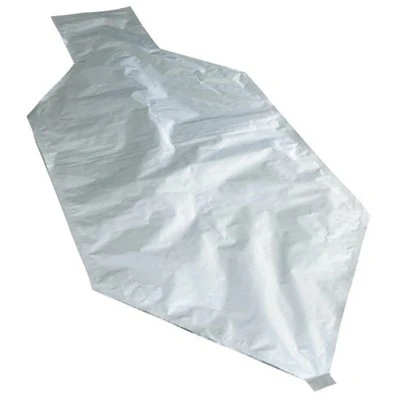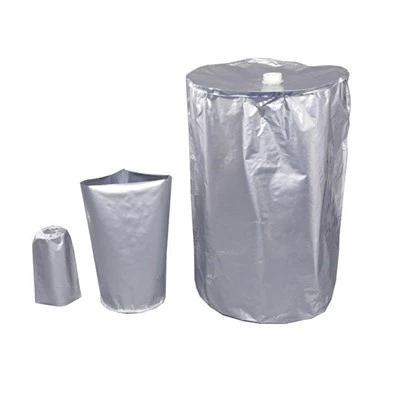
Aluminum foil FIBCs (Flexible Intermediate Bulk Containers) primarily adhere to two categories of standards: first, general product standards applicable to flexible bulk containers; and second, standards specifically governing their core material-aluminum-plastic composite film. The table below summarizes the key relevant standards, both domestic and international:
|Standard Category | Standard Number | Standard Name / Key Content | Applicability / Core Focus | Nature / Status |
|General Standards for FIBC Products | GB/T 10454-2025 | *Flexible Intermediate Bulk Containers* (Effective March 1, 2026) | Integrates previous versions; unifies general requirements for FIBCs (including Flexible Intermediate Bulk Containers), covering classification, materials, safety factors, drop tests, etc. | Current Domestic National Standard (Latest Integrated Version)
|ISO 21898 | *Packaging - Flexible intermediate bulk containers (FIBCs) for non-dangerous goods* | A general international standard. The new domestic national standard GB/T 10454-2025 was adopted by modifying this international standard. | International Standard |
| Standards for Aluminum-Plastic Composite Film Materials | T/SHBX 014-2022 | *Aluminum-Plastic Composite Films and Bags for Packaging* | Applicable to composite films and bags consisting of three or more layers of plastic and aluminum foil; specifies requirements for their physicochemical properties. | Domestic Group Standard |
| T/SHBX 001-2023 | *Solvent-Free Aluminum-Plastic Composite Films and Bags for Industrial Packaging* | Specifically targets industrial-grade aluminum-plastic films and bags bonded using solvent-free adhesives, placing greater emphasis on eco-friendly manufacturing processes. | Domestic Group Standard |
| DIN 55531:2011 | *Films for packaging - Composite aluminium films* | A German standard regarding aluminum-plastic composite films; not applicable to food packaging. | Foreign National Standard |
| Standards for Aluminum Foil Raw Materials | GB/T 22649-2019 | *Aluminum and Aluminum Alloy Container Foil* | Specifies the technical requirements for aluminum foil raw materials intended for use in containers (including composite packaging). | Current Domestic National Standard |
How to Select and Apply Standards? In your practical work, you may find the following suggestions helpful:
Clarify Priorities:
Regarding the overall performance of the product, priority should be given to meeting the requirements of the new national standard, GB/T 10454-2025 *Flexible Intermediate Bulk Containers (FIBCs)* . This serves as the most fundamental and comprehensive product specification.
For the physicochemical properties of the bag body material (such as peel strength and barrier properties), you may refer to the T/SHBX series of group standards, which provide more detailed specifications specifically for aluminum-plastic composite films
If the product is intended for export, you must simultaneously pay attention to the standards of the target market-such as international ISO standards or relevant European and American standards.
Note Changes in the New National Standard: GB/T 10454-2025 was published in August 2025 and is scheduled to officially take effect on March 1, 2026 . It consolidates and supersedes the previous version; key changes include unified specifications, the addition of environmental protection and recyclability requirements, strengthened anti-static testing protocols (requiring compliance with IEC 61340-4-4), and more detailed labeling regulations . These points should be carefully noted during procurement or production.
Obtain Standard Texts: National standards (GB/T) can be read online via the "National Standards Full-Text Public Access System" or purchased directly from official agencies . Group standards can be searched for via the "National Group Standards Information Platform" or purchased from the relevant administrative bodies (e.g., the Shanghai Packaging Technology Association) .
Use as a Basis for Quality Agreements: When signing contracts with suppliers, you may attach the aforementioned relevant standards as technical appendices. This allows you to explicitly specify the required standard numbers and key performance indicators that the product must meet (e.g., a peel strength of ≥ 3 N/15 mm-a common requirement within the industry ).
Summary of Key Points
Overall, the standards framework for aluminum foil FIBCs constitutes a combination of "National Product Standards + Group Material Standards." In practical application, the key to ensuring quality lies in verifying that your product simultaneously complies with the general safety specifications for FIBCs-including the new national standard -and that you select high-quality materials that meet the specific group standards for aluminum-plastic composite films . If you can specify the product's intended use (e.g., packaging chemicals, food, or lithium battery materials), I can analyze the specific testing requirements for you in greater detail.