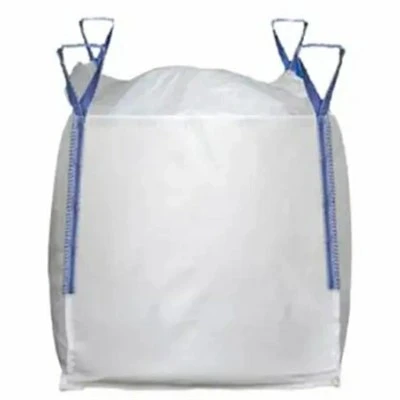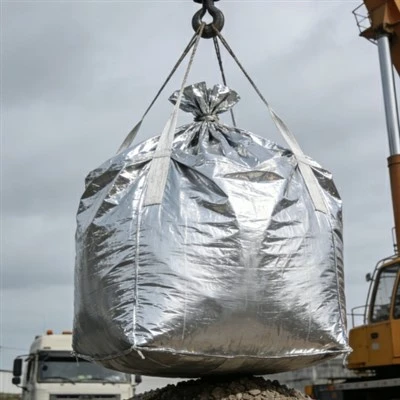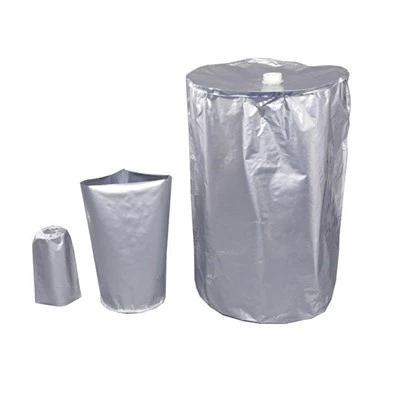
Ton bags (also known as Flexible Intermediate Bulk Containers, or FIBCs) are flexible transport packaging containers classified as medium-sized bulk containers. They offer advantages such as moisture resistance, dust protection, radiation resistance, and robust safety, while also possessing sufficient structural strength. In my country, FIBCs adhere to the national standard GB/T 10454-2025, *Packaging-Flexible Intermediate Bulk Containers for Non-Dangerous Goods*; this standard supersedes the previous version, GB/T 10454-2000. FIBCs utilized in express delivery packaging must comply with mandatory national standards, such as the *Limits for Heavy Metals and Specific Substances in Express Packaging*. During use, strict adherence to operational protocols is essential to prevent safety incidents-such as bag rupture-during hoisting and transport operations.
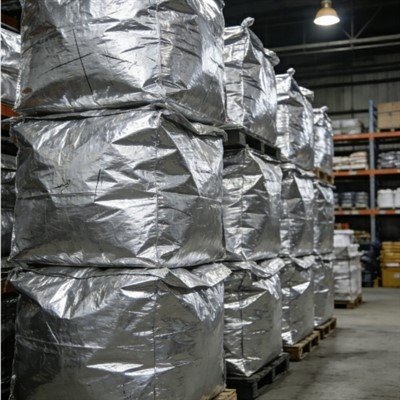
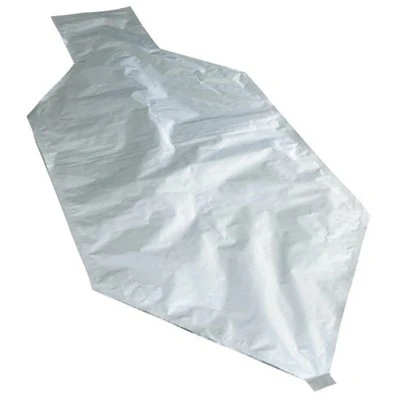
Due to their ease of loading, unloading, and handling-which significantly boosts operational efficiency-the use of FIBCs has expanded rapidly in recent years. Typically, FIBCs are woven from polyester fibers, such as polypropylene or polyethylene. Depending on the characteristics of the materials being packaged, various specialized types are available, including aluminum-plastic composite bags, anti-static/conductive bags, and baffle bags. my country's production capacity for FIBCs now ranks among the highest globally, with products being exported to markets across Southeast Asia, Europe, and the Americas. For instance, in December 2025, Weihai Port launched a new maritime route to Angola in West Africa, with cargo vessels departing fully laden with bulk-packaged ton bags. Ton bags are primarily used for the packaging and transport of lumpy, granular, or powdery materials, and are widely utilized in sectors such as new energy, mining, chemical raw materials, agriculture, and construction.