In this article, we will outline five key points to consider when selecting cost-effective bulk bags.
Key Point 1:
Understand Your Product. You must know your product's density to ensure that the packaged contents do not exceed the load capacity of the bulk bags you purchase. You also need to address the following questions: Is your product classified as hazardous, flammable, or explosive? Does your product require leak-proof packaging?
Key Point 2
Know Your Product's Filling and Discharge Methods
Once you understand how your product is filled and discharged, you can determine the appropriate inlet and outlet configurations for the bulk bags you intend to purchase.
You should also consider the following questions:
Do you have specialized filling equipment?
Does your filling equipment impose specific requirements regarding the size of the bag's inlet?
Are the bulk bags suspended in the air during the loading or unloading process?
What is the flowability of your product?
Addressing these points before purchasing bulk bags can prevent you from selecting the wrong type of bag.
Key Point 3
Do Not Pay Extra for Unnecessary Features
Bulk bags are highly customizable; however, some components may be unnecessary for your specific product. Selecting these features will only result in additional costs.
By choosing only the features you actually need, you can save a significant amount of money.
Some customization options increase costs but may be entirely unnecessary for your application-such as:
Laminating/coating, leak-proof liners/tapes, baffles (internal stabilizers) or mesh baffles,
Specific colors, and specific base fabric weights.
During the purchasing process, make sure to inform your supplier that you do not require any bulk bag customization options that are unnecessary for your needs.
Key Point 4
Do Not Forego Necessary Features-Even If They Are More Expensive
The logic here is simple: while additional features may increase the initial cost, they can actually save you money in the long run.
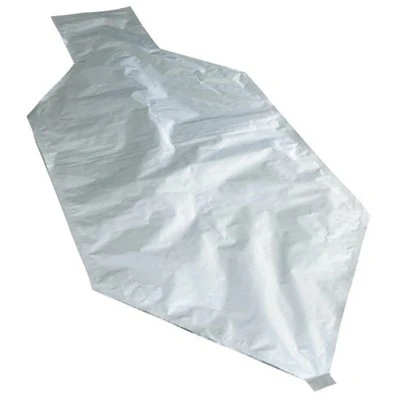
The use of leak-proof liners is an excellent example of this principle. If your bulk bag supplier recommends using a leak-proof liner, it is likely because the product you are packaging consists of very fine particles; without the liner, powder leakage would be a significant risk.
If you choose to forgo the leak-proof liner, the financial loss resulting from a leakage incident could easily exceed the cost of adding the liner in the first place.
Key Point 5
Know How You Will Lift and Move the Bulk Bags
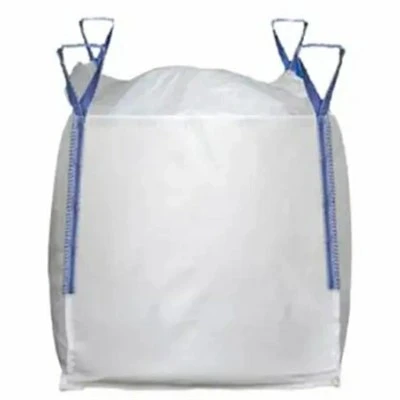
Understanding the methods you will use to move and transport your bulk bags will help your supplier determine the appropriate type of lifting loops required for your bags.
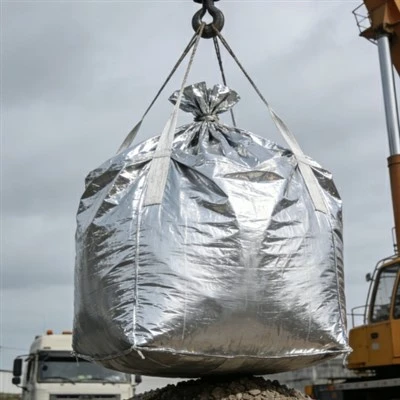
For instance, if you plan to use a forklift to handle the bulk bags, you might opt for bags featuring cross-corner lifting loops. If you use a crane to handle bulk bags, you can choose options such as single-loop or double-loop bags.