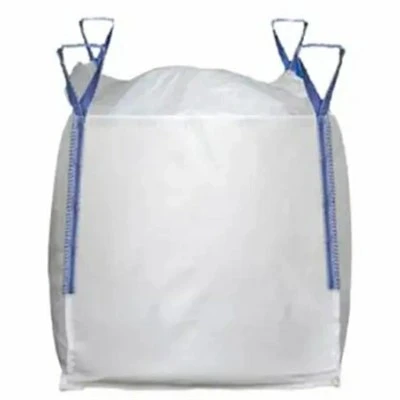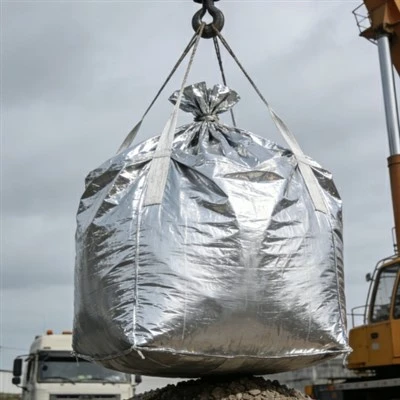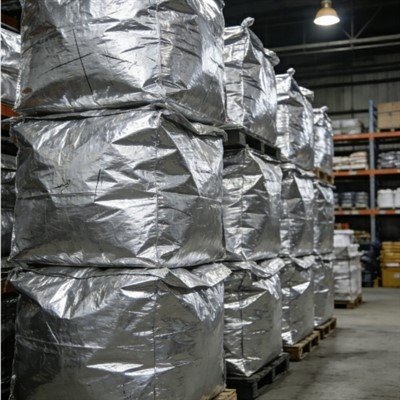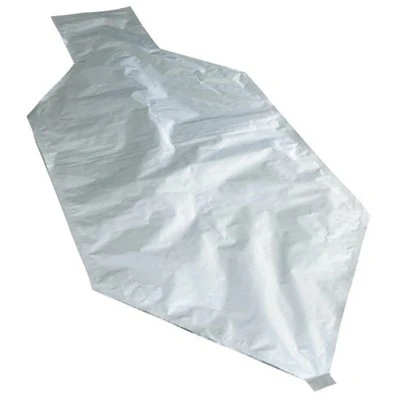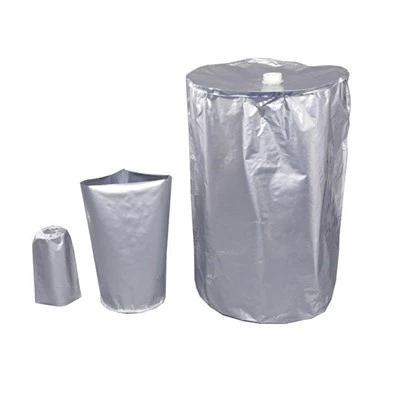
The design of flexible intermediate bulk containers (FIBCs)-also known as "ton bags"-must strictly adhere to the national standard GB/T10454-2000. As a form of export packaging, FIBCs must effectively protect their contents during the processes of loading, unloading, transportation, and storage, ensuring that the goods arrive at their final destination in perfect, undamaged condition. Consequently, the design of FIBCs must satisfy four key criteria: safety, storability, usability, and seal integrity.
1. Safety
This primarily refers to the structural strength of the FIBC. During the design phase, one must take into account the packaging volume, the weight of the contents, and the number of individual packaging units. Furthermore, factors such as the transportation distance, the frequency of handling operations, and the specific modes and methods of transport to be employed must be carefully considered. The national standard GB/T10454-2000 establishes rigorous technical specifications for both the base fabric and the lifting slings of FIBCs; from a safety perspective, it explicitly mandates that the structural design of all FIBCs must utilize a "bottom-lifting" configuration. The safety factor must meet or exceed 1.8.
2. Storability
Materials should be selected and formulated appropriately based on the specific usage conditions of the end-user. The resistance of plastic products to aging under exposure to sunlight is a matter of significant concern-and indeed, a common challenge encountered during the practical application of FIBCs. Therefore, during the manufacturing process, particular attention must be paid to the selection of materials and the proper incorporation of anti-UV additives.
3. Usability
When designing an FIBC, full consideration must be given to the specific methods and procedures by which the customer intends to utilize the container-including lifting techniques, transportation modes, and the physical properties of the materials being loaded. Additionally, if the container is intended for food packaging, it is imperative to ensure that the materials used are non-toxic and harmless to the food products contained within.
4. Seal Integrity
Different types of packaged materials impose varying requirements regarding seal integrity. For instance, materials such as fine powders, toxic substances, or items susceptible to contamination demand extremely rigorous sealing performance; similarly, materials prone to moisture absorption or mold growth require specialized airtightness properties. Consequently, during the design of an FIBC, careful attention must be paid to the impact that the base fabric lamination process and the sewing techniques employed may have on the overall seal integrity of the container.
While there are numerous suppliers of FIBCs (ton bags) on the market, pre-owned FIBCs offer exceptional value, with prices starting as low as 18 RMB.