In the process of procuring aluminum foil packaging bags for international trade, the total thickness of the finished product is a key technical parameter that customers confirm. Thickness directly affects the barrier properties, puncture resistance, vacuum fit, and overall product cost of the packaging bag. Many overseas buyers often inquire about the achievable thickness range of finished aluminum foil packaging bags to match their product packaging needs.
Aluminum foil packaging bags are multi-layered flexible packaging. The finished product thickness referred to in the industry refers to the overall thickness of the composite layers (PET, aluminum foil, nylon, PE, etc.), not just the thickness of the aluminum foil layer itself. These two distinctions are important. For standard mass-produced finished aluminum foil packaging bags, the mainstream thickness range is 50-220μm. Higher thickness specifications can be customized for special industrial bags and heavy-duty packaging.
50-80μm aluminum foil packaging bags are considered thin and lightweight, often used for powders, small packets of seasonings, and lightweight snacks. They are suitable for short-term storage, are relatively lightweight, and have good printability, but their puncture resistance is limited. They are not suitable for vacuum sealing or packaging materials with sharp edges. Commercially available food-grade aluminum foil bags typically use a thickness of 80-130μm, balancing moisture and light protection with heat-sealing strength. Suitable for packaging dried fruits, tea, and general food products, this is also the largest volume specification for export orders.
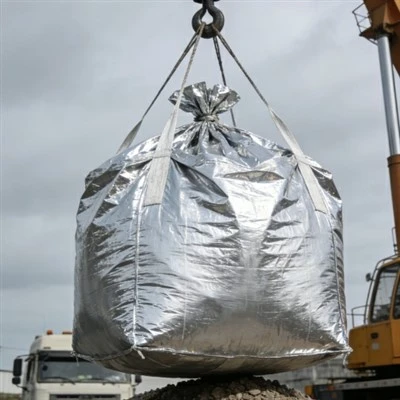
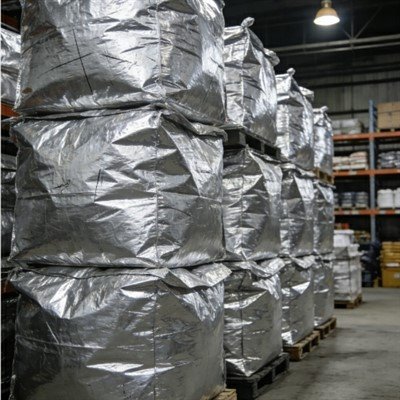
For vacuum storage, chemical materials, and electronic component sealing applications, the industry generally uses a finished product thickness of 130-180μm. Some retort pouches also fall within this range, incorporating a nylon reinforcement layer to improve tear and puncture resistance and reduce the risk of leakage after vacuuming. Large industrial moisture-proof aluminum foil bags can reach 180-220μm or even higher, used for moisture-proof sealing of large equipment during sea transport, offering greater mechanical strength.
Industry experts advise that greater thickness is not always better. Increasing thickness directly increases material costs and makes the bag feel stiffer. When selecting a product, customers should not only specify the thickness value but also confirm the composite material structure. Even with the same total thickness, the presence or absence of a nylon layer and the thickness of the aluminum foil layer can significantly affect the final barrier properties and physical performance.