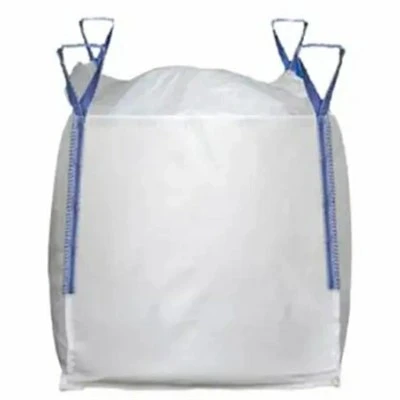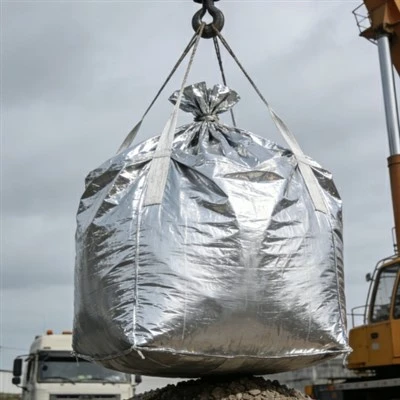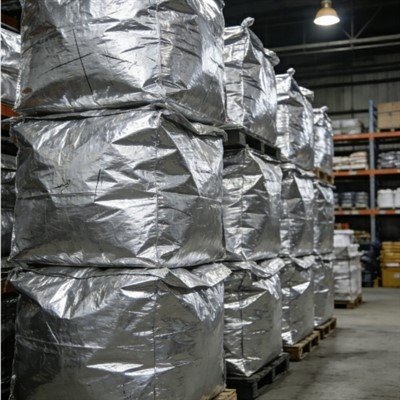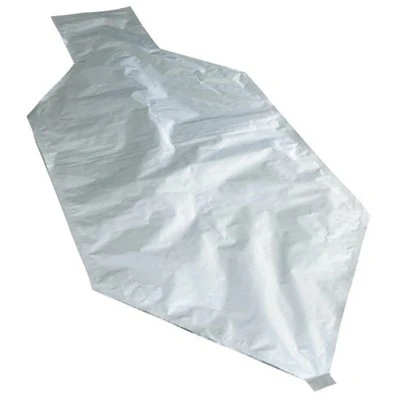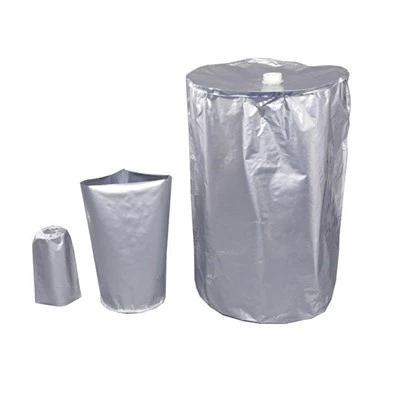
The PE liner bag is a type of packaging bag primarily manufactured from polyethylene (PE). It is widely utilized for moisture-proof and dust-proof protection across various sectors, including food, daily necessities, and industrial products. Characterized by high transparency and excellent flexibility, these bags can be customized into irregular or uniquely shaped forms to accommodate the diverse packaging requirements of different products. Processed using a "hot-forming, cold-cutting" technique, they ensure superior sealing integrity while minimizing material waste, establishing themselves as a common and functional solution within the modern packaging landscape.
Material Properties and Process Analysis
The core material of the PE liner bag is polyethylene (PE)-a thermoplastic resin distinguished by its strong chemical stability, resistance to acids and alkalis, and its non-toxic, odorless nature. The manufacturing process employs a "hot-forming, cold-cutting" technology: PE granules are first melted and plasticized under high heat, then extruded through a mold to take shape, and finally sealed and cut using a cold-cutting technique. This process ensures that the bag edges remain smooth and free of burrs, while simultaneously preventing high temperatures from compromising the material's structural integrity, thereby enhancing the overall durability of the packaging. Furthermore, the inherent transparency of PE material allows users to directly inspect the contents inside, reducing the need for frequent opening and physical inspection.
Functional Design and Application Scenarios
The primary function of this type of packaging bag is to provide protection against moisture and dust; its effective sealing properties serve as a barrier against external moisture and airborne particles, thereby extending the shelf life of the packaged goods. For instance, in the food industry, PE liner bags frequently serve as an inner layer-often paired with cardboard boxes or metal tins-to create a dual-layer protective system. In the industrial sector, they are utilized for storing precision components or chemical raw materials, safeguarding them against potential damage caused by fluctuations in environmental humidity. With a load-bearing capacity reaching up to 5 Pa (approximately 500 grams per square centimeter), these bags are capable of meeting the packaging requirements for most lightweight items. Additionally, the bag design supports custom shaping-such as the inclusion of handles, gusseted corners, or specialized opening mechanisms-further enhancing user convenience and ease of handling.
Customization Options and Usage Considerations
PE liner bags offer extensive customization options tailored to specific needs, including variations in size, thickness, color (typically transparent), and printed content (such as company logos or safety warning labels). When placing a custom order, it is essential to clearly specify the dimensions, weight, and intended storage environment of the items to be packaged, thereby ensuring that the bag's load-bearing capacity and sealing performance are perfectly aligned with the operational requirements. During use, care must be taken to avoid puncturing or scratching the bag with sharp objects; when storing, keep the bags away from open flames or high-temperature environments to prevent material deformation. If the bags are to be reused, they should be inspected to ensure they remain intact, thereby preventing any compromise in protective efficacy due to damage. For items requiring long-term storage, it is recommended to use desiccants or vacuum-sealing equipment in conjunction with the bags to enhance moisture protection.
Technical Advantages and Environmental Considerations
Compared to traditional packaging materials, PE liner bags offer distinct advantages in terms of lightweight design and cost-effectiveness. Their low density and light weight help reduce energy consumption during transportation; furthermore, PE material is recyclable and reusable, aligning with current environmental sustainability trends. However, it is important to distinguish between biodegradable PE and standard PE: the former achieves natural decomposition through the incorporation of bio-based additives, whereas the latter requires processing through specialized recycling channels. When making a selection, users should weigh the specific material type against their actual operational needs and applicable environmental regulations.