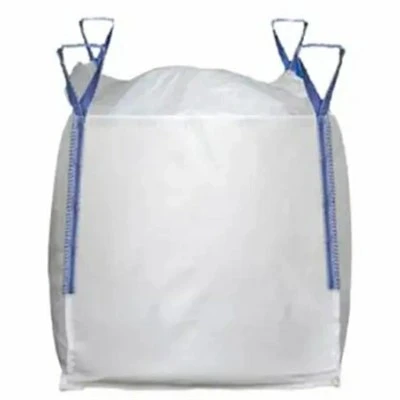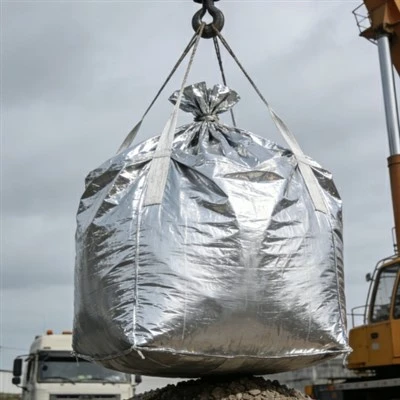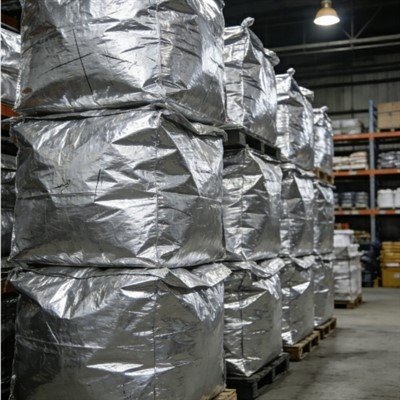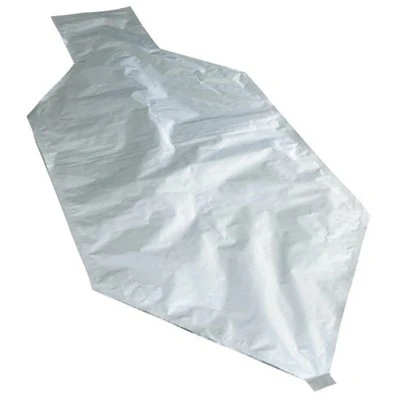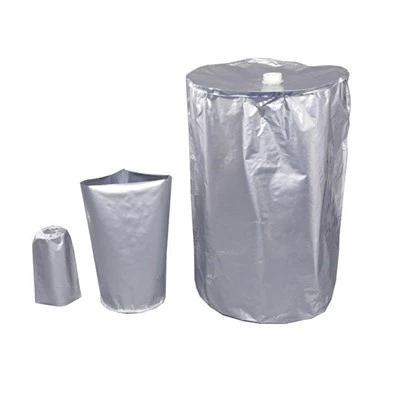
When selecting aluminum foil bulk bags, the following key factors should be taken into consideration:
Cargo Compatibility: Select appropriate materials and structural designs based on the specific requirements of the cargo-such as moisture resistance, anti-static properties, and high-temperature tolerance. For instance, for cargo with strict moisture-protection requirements, priority should be given to bulk bags featuring a structure comprising a double layer of aluminum foil laminated with a PP woven fabric liner.
Capacity and Dimensions: Choose the appropriate capacity and dimensions based on the volume and weight of the cargo. Common specifications range from 750 kg to 1000 kg; bag types are generally categorized as flat-bottomed or cubic (structured), and the selection should be guided by actual operational needs.
Temperature Range: For cargo that requires storage or transportation in high-temperature environments, select bulk bags with a wide temperature tolerance range-such as those made from a four-layer composite material (PET/AL/PA/PE)-which can withstand temperatures ranging from -50°C to 121°C.
Precautions
When using aluminum foil bulk bags, care must be taken to avoid scratching the bag surface with sharp objects, as this could compromise its moisture-resistant and anti-static properties. Additionally, the integrity and sealing effectiveness of the bag should be inspected regularly to ensure consistent packaging performance.