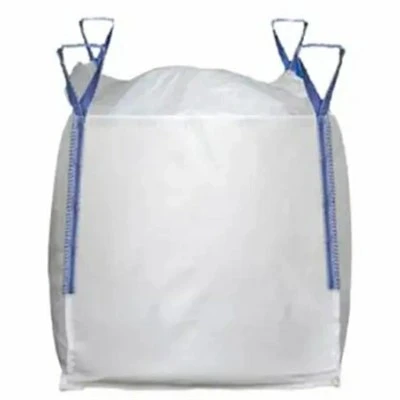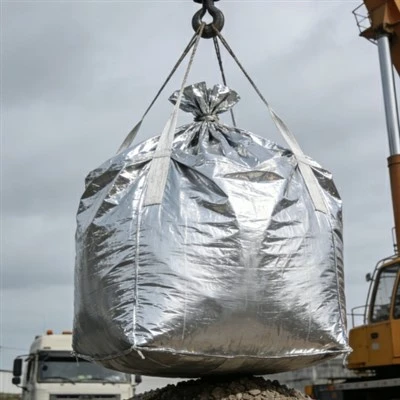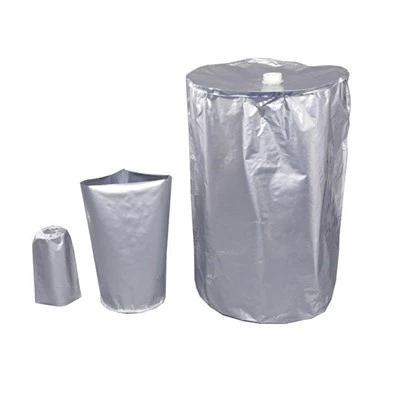
Flexible Intermediate Bulk Containers (FIBCs)-also known as bulk bags-are sacks designed for holding goods. They are widely utilized within the transportation industry as a form of unitized packaging. As flexible transport containers, they enable unitized shipping when used in conjunction with cranes or forklifts, making them ideal for transporting large quantities of bulk, granular, or powdery materials. However, prolonged use can lead to the overall aging of these bags; what causes this deterioration?
When FIBCs containing cement are stored outdoors and exposed to direct sunlight, the degradation of their structural strength is accelerated. Furthermore, exposure to excessively high temperatures or rainfall during storage and transit can also compromise their strength, rendering them incapable of meeting the quality standards required to protect their contents. Consequently, the conditions under which FIBCs are transported and stored are of paramount importance.
When exposed to direct sunlight, the tensile strength of plastic FIBCs can drop by 25% within just one week; after two weeks, this reduction may reach 40%, rendering the bags essentially unfit for further use. This underscores the critical importance of proper storage and handling practices for plastic FIBCs.
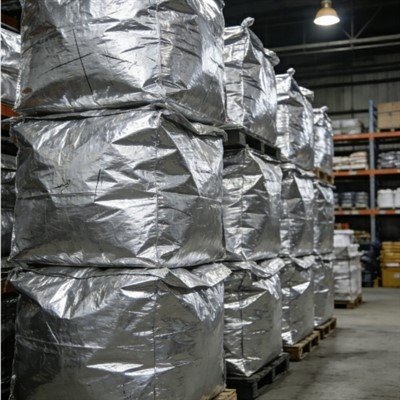
FIBCs should be stored indoors in a cool, clean environment. During transport, they must be shielded from direct sunlight and rain, and kept away from heat sources. The maximum storage duration should not exceed 18 months. In practice, plastic FIBCs may begin to show signs of aging even within this 18-month period; therefore, it is advisable to shorten the effective shelf life for packaged goods utilizing these bags, with a recommended limit of 12 months.