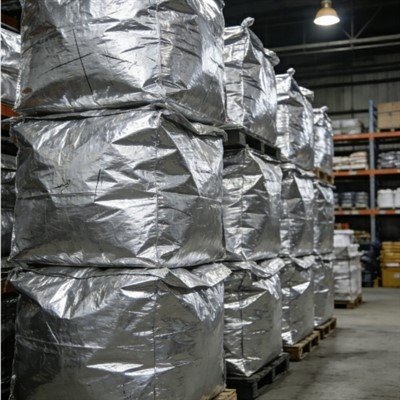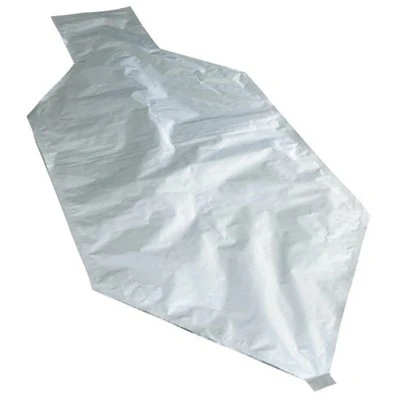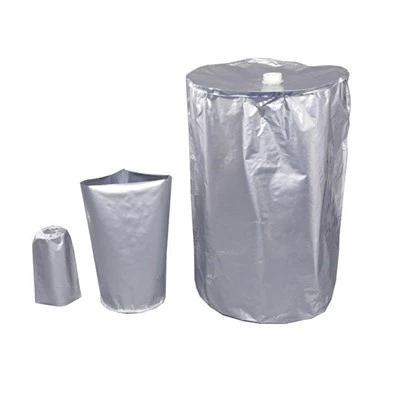
Conductive bags (also known as static-dissipative bags or ESD shielding bags) are essential packaging materials designed to protect Electrostatic Discharge Sensitive Devices (ESDS) from damage caused by static electricity. The requirements for these bags revolve around material characteristics, physical properties, electrical performance, and labeling specifications, primarily based on standards such as ANSI/ESD S541 and IEC 61340-5-1.
1. Materials and Structure:
* Conductive Layer: The bag structure must incorporate a permanent conductive layer. This is typically achieved through the following methods:
* Carbon-Doped Polymers: A common approach involves uniformly dispersing conductive carbon black particles within a polymer substrate, such as polyethylene (PE) or polypropylene (PP).
* Metal Coatings: This involves vacuum-depositing an extremely thin layer of metal (e.g., aluminum) onto a plastic film, or laminating a layer of metal foil (aluminum foil) to it. Metal-coated types typically offer superior shielding performance.
* Structural Integrity: The bag must possess robust physical strength-including resistance to punctures and tearing-to ensure the protection of internal contents during normal handling and transportation. The material must also exhibit sufficient flexibility to conform to the shape of the packaged items.
* Sealability: The bag opening must be capable of forming a secure seal (e.g., via heat sealing, zip-locks, or adhesive tape closures) to effectively prevent the ingress of dust and moisture, thereby maintaining the static-protective environment within the bag.
2. Electrical Performance (Requirements):
* Surface Resistance: A critical metric for conductive bags is their surface resistance. According to standard requirements, the surface resistance of a conductive bag must be less than or equal to 1 x 10^4 ohms (i.e., ≤ 10,000 Ω). This serves as the key differentiator between conductive bags (surface resistance ≤ 10^4 Ω) and anti-static bags (surface resistance ranging from 10^5 Ω to 10^11 Ω). Low surface resistance ensures that static charges can dissipate quickly and safely across the bag's surface to ground, rather than accumulating or discharging abruptly.
* Static Shielding Performance (Metalized Types): For conductive bags that incorporate a metal layer (either as a coating or a foil), they typically possess static shielding capabilities. This means that the bag body not only dissipates surface charges, but its metallic layer also forms a Faraday cage, effectively shielding the sensitive components inside the bag from induction and interference caused by external electrostatic fields. Such bags are typically designated as "shielding bags."
* Charge Decay Time: While conductive bags place greater emphasis on low resistance, a robust charge dissipation capability-defined as the short duration required for a charge to decay to a specific level following the application of voltage-remains an essential characteristic they must possess.
3. Identification and Marking:
* ESD Symbol: The bag body must bear a clear and prominent imprint of a standard-compliant ESD protection warning symbol (typically a hand-in-triangle graphic or a similar design).
* Textual Description: The label must explicitly state "ESD Protective" or display a similar cautionary phrase.
* Manufacturer Information: This includes the manufacturer's name or logo, the product model/specification, and the production date or batch number.
* Compliance Statement: The bag should indicate compliance with relevant standards (e.g., compliance with ANSI/ESD S541).
* Protection Level (Optional): For shielding bags, the specific protection level may be indicated (e.g., Class 0, 1, 2, or 3), corresponding to the protection requirements for devices of varying electrostatic sensitivity.
4. Testing and Certification:
* Manufacturers are required to conduct rigorous testing in accordance with established standards (e.g., ANSI/ESD STM11.11 for surface resistance testing) to ensure that every production batch meets the specified electrical performance requirements.
* Users should also establish incoming inspection procedures to periodically sample-test key parameters-such as surface resistance-of the conductive bags, thereby ensuring that their protective efficacy does not degrade over time or due to storage conditions.
Summary: A compliant conductive bag must possess low surface resistance (≤ 10^4 Ω) to ensure rapid electrostatic dissipation; it must exhibit sufficient physical strength and reliable sealing integrity to safeguard its contents; and it must clearly display appropriate ESD protection markings. For applications requiring shielding against interference from external electrostatic fields, a "shielding-type" conductive bag-specifically featuring a metallic layer-should be selected. Strict adherence to relevant standards and the implementation of effective testing protocols are paramount to guaranteeing the protective performance of these bags.