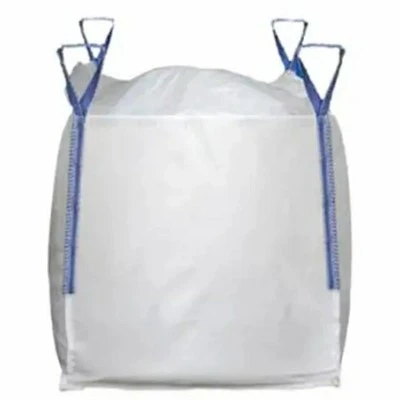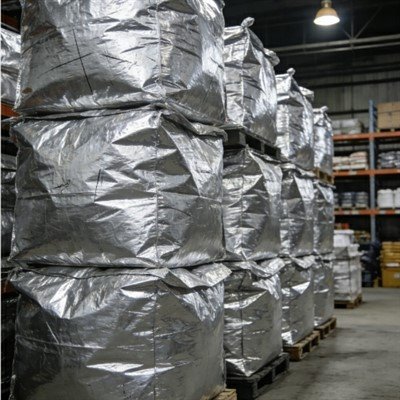
Soft pallets (also known as flexible pallets or "ton-bag" soft pallets) are a new type of lightweight, foldable unitization tool manufactured from high-strength woven fabrics (such as polypropylene, or PP) or composite materials. They are primarily used to replace traditional rigid pallets-made of wood, plastic, or metal-and are suitable for the unitization, transportation, and storage of bulk goods. Below, I have outlined the classifications of soft pallets, relevant standards, and some recommendations regarding their selection and usage.
Main Classifications of Soft Pallets: The classification criteria for soft pallets are more focused than those for traditional rigid pallets, primarily based on their material composition, manufacturing processes, and structural characteristics.
By Base Fabric Material:
* Polypropylene (PP): This is currently the most common material used for soft pallets. It offers moderate weather resistance; however, prolonged exposure to sunlight can lead to premature aging (as UV radiation causes the fibers to become brittle). The service life of PP base fabrics can be extended by 30% to 50% through the addition of anti-ultraviolet (UV) additives.
* Polyester: This material offers superior abrasion resistance, with a service life that exceeds that of standard PP by more than 50%; however, its production cost is relatively higher.
* Composite Materials: These involve materials such as acid- and alkali-modified PP, or fabrics laminated with waterproof membranes or anti-slip coatings. Such composites are designed to meet specific requirements, such as moisture resistance or chemical corrosion resistance (e.g., when transporting fertilizers or chemical raw materials).
By Lifting Sling Material:
* Polyester Slings: These typically exhibit superior tensile strength and abrasion resistance compared to polypropylene slings. In scenarios involving frequent handling, the service life of polyester slings can be 1.5 to 2 times longer than that of polypropylene slings.
* Polypropylene Slings: The breaking strength of these slings typically ranges from 5 to 20 tons.
By Structural Design: The core structural design of soft pallets revolves around two key principles: "load-bearing capacity" and "operational convenience." In addition to the basic flat-sheet configuration, some soft pallets feature double-layer fabric edges or reinforced webbing borders to enhance tensile strength. They may also be equipped with optional accessories, such as anti-slip coatings or label pouches. Soft Pallet Load-Bearing Concepts and Standards – To understand the load-bearing capabilities of soft pallets, it is essential to distinguish between two key concepts:
Static Load Capacity: Refers to the maximum weight a pallet can support when goods are stacked upon it in a stationary position. The static load capacity of a standard soft pallet typically ranges from 1 to 5 tons; however, reinforced models-featuring multi-layer base fabrics, thicker lifting slings, and other enhancements-can reach capacities of 8 to 10 tons.
Dynamic Load Capacity: Refers to the maximum weight a pallet can support while goods are being transported by equipment such as forklifts or cranes. Due to the presence of jolting, uneven weight distribution, and dynamic forces during handling, a higher safety margin is required; consequently, the dynamic load capacity typically ranges from 0.5 to 3 tons.
Important Note: Within the industry, "Breaking Strength" (the ultimate tensile force at which the lifting slings or base fabric rupture) is commonly used as a critical reference metric. When selecting a soft pallet, it is advisable to incorporate a safety factor of 2 to 3 times the actual load. For instance, if the cargo weighs 3 tons, you should select a product with a breaking strength of ≥ 6–9 tons. For maximum safety during actual loading operations, it is recommended that the cargo weight does not exceed 70%–80% of the pallet's stated dynamic load capacity.
Soft Pallet Applications and Selection – The inherent characteristics of soft pallets make them ideally suited for logistics scenarios that are "lightweight, temporary, or short-distance" in nature.
Examples include:
Consolidation of Bagged or Boxed Goods: Such as grains, animal feed, fertilizers, plastic granules, etc.
Internal Factory Circulation and Short-Term Warehouse Storage.
Export Logistics: Serving as an alternative to traditional wooden pallets, soft pallets help bypass international quarantine regulations (such as IPPC fumigation requirements), thereby reducing compliance costs.
Purchasing and Usage Recommendations:
Select Materials Based on Application Environment:
Outdoor or High-Exposure Environments: Choose PP (polypropylene) or polyester base fabrics treated with UV-resistant additives.
Contact with Chemical Cargo: Select acid- and alkali-resistant modified PP or composite-film base fabrics.
High-Frequency or Heavy-Duty Handling: Opt for reinforced models featuring polyester lifting slings paired with a thickened base fabric weighing 200g/m² or more.
Pay Attention to Manufacturing Details: Connections reinforced with double-line stitching or thermal bonding are significantly more durable than single-line or hand-stitched seams, making them less susceptible to unraveling under tensile stress.
Safe Usage Guidelines: To ensure safety, avoid allowing sharp edges of cargo (such as metal components or glass products) to come into direct contact with the base fabric; instead, use thick cardboard, bubble wrap, or rubber mats as protective barriers. During lifting operations, ensure that the load is distributed evenly across all lifting slings; under no circumstances should a single sling bear the entire load or be subjected to off-center loading. When storing soft pallets, keep them away from open flames, high temperatures, and corrosive chemicals. If temporary outdoor storage is required, they should be covered with UV-resistant shading fabric and waterproof sheeting to protect against sunlight and moisture.
Summary: Thanks to their lightweight nature, collapsibility, and flexible design, soft pallets serve as an effective alternative to traditional rigid pallets in specific logistics scenarios, helping to boost operational efficiency and reduce costs. The key to selecting the right soft pallet lies in matching it to the specific characteristics of the cargo (weight, shape), the operating environment, and the handling methods employed. Furthermore, it is imperative to adhere to proper usage protocols and conduct regular inspections and maintenance. We hope this information helps you gain a better understanding of soft pallets. If you have specific application scenarios in mind or require further details, I would be happy to provide additional assistance.