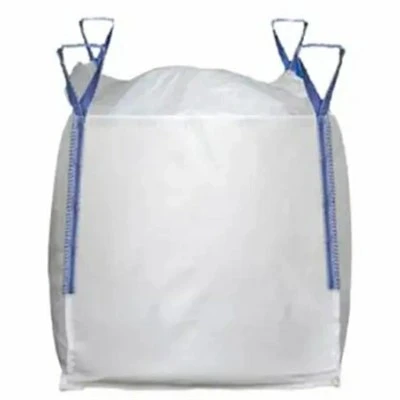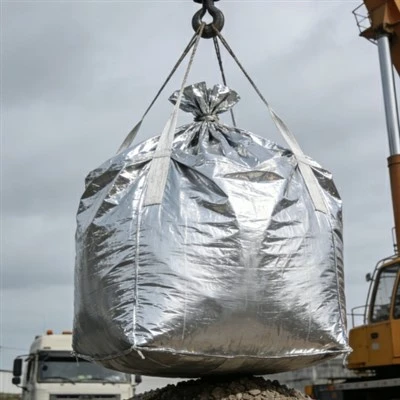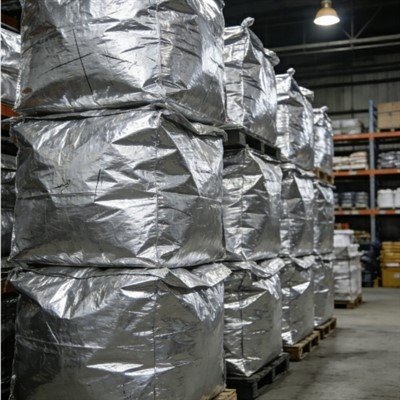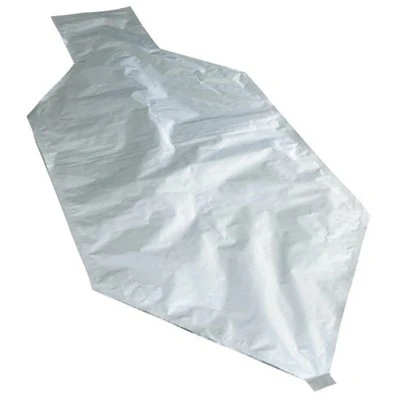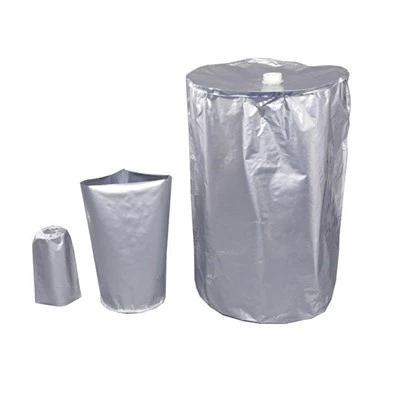
The production process for paper-plastic composite bags typically involves using refined white or yellow kraft paper for the outer layer and woven plastic fabric for the inner layer. Under conditions of high temperature and high pressure, PP plastic granules are melted to laminate the kraft paper and woven fabric together; an additional inner liner bag may also be included .
Utilizing satellite printing and synchronous lamination technologies, the manufacturing process comprises the following steps:
1.Plastic flat yarns undergo biaxial stretching to form the woven fabric substrate.
2.The surface of the paper is subjected to corona treatment to enhance adhesion (achieving a level of 38 mN/m or higher).
3.A single-component, solvent-free adhesive is applied, with the coating weight controlled at 1.8–3.0 g/m² for the smooth surface and ≥3 g/m² for the inner layer.
4.High-temperature hot-press rollers (140–160°C) are used to melt the PP granules, allowing them to penetrate the paper fibers. The bag-making process is categorized into two types: sewn-bottom bags and heat-sealed bags; the strength of the heat-sealed seams must successfully pass a tensile test of 30 N/15 mm.