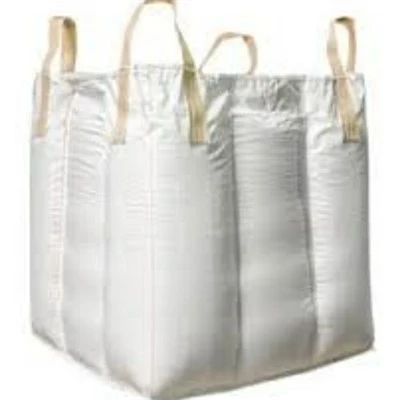
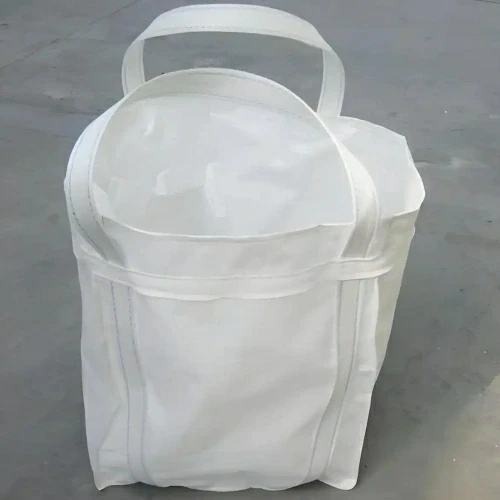

We only use brand new virgin PP resin for our pharma-grade FIBCs. No recycled material is ever mixed in during production. Recycled polypropylene carries inconsistent molecular structures and unknown residual impurities. When used for active pharmaceutical ingredients and fine chemical powders, these uncertain substances can trigger contamination or subtle chemical reactions, which is why pharma packaging cannot afford to use generic recycled fabric.
The base weave is denser than standard industrial bulk bags. Most pharmaceutical powders are ultra-fine, far smaller than regular granular materials. Standard woven fabric has tiny gaps that cannot block these micro particles. In actual transit and handling, constant vibration causes fine powder to leak out gradually, resulting in product loss and persistent dust buildup in workshops. Our tighter weave solves this leakage issue at the fabric level.
Inner film performance is one of the biggest differences between pharma-grade and common bags. Regular PE liners offer barely basic isolation, with oxygen permeability sitting around 2000 cc/m² daily. For pharma applications that demand stable storage environments, we apply professional barrier film, keeping oxygen permeability under 100 cc/m² per day. This low permeability greatly slows down oxidation and moisture absorption for sensitive pharmaceutical powders.
Cleanliness management follows pharma industry standards, completely different from ordinary bag factories. Normal workshops only keep floors clean for basic tidiness. Our pharma production area operates as a controlled cleanroom. All staff must change into dedicated clean garments and go through air shower purification before entering. Every weaving and sewing workstation is cleaned and sanitized daily to control surface microbes and avoid cross contamination during production runs.
Production is carried out in GMP-compliant cleanrooms. This setup keeps airborne dust and bacterial counts within controlled ranges throughout the whole manufacturing process, meeting the hygiene requirements for pharmaceutical auxiliary packaging that regular industrial workshops cannot satisfy.
We've reworked traditional stitching methods to eliminate hidden contamination risks. Standard needle stitching leaves tiny pinholes, which act as passages for dust and microbes. On critical sealing areas of pharma bags, we adopt ultrasonic welding and high-frequency fusion instead of conventional sewing. Where stitching is unavoidable, we add dedicated sealing strips to fully cover pinhole gaps and achieve complete enclosure.
Two anti-static configurations are available to fit different on-site conditions. Type C grounded conductive bags are cost-effective, ideal for sites with complete, reliable grounding facilities. Type D static-dissipating bags require no grounding setup and deliver higher safety margins. They work better for complicated operating environments, irregular workflows, or locations where proper grounding is hard to implement, reducing static risks for sensitive flammable powders.
The compliance gap between pharma-grade and industrial-grade FIBCs is very clear in actual audits and export clearance. Pharma packaging requires full documentation, including GMP compliance statements, FDA and EU material conformity declarations, and complete migration test reports covering all hygiene indicators. Ordinary industrial bulk bags only come with simple in-house strength inspection slips. They have no test data for plasticizer leaching, heavy metal migration or chemical residue, making them unfit for pharmaceutical material packaging.
Material purity control is far stricter for pharma-grade products. We use low-migration ink and inert additives for printing and finishing. Printed markings never seep into the bag interior or interact with contained materials, protecting API purity. Generic industrial bags often use low-cost ink with heavy metal content. Loose threads, residual lint and leftover debris from previous production batches are also common issues with standard bags, posing obvious contamination threats to high-purity pharma materials.
Every pharma FIBC undergoes airtightness inspection before shipment. We inflate and hold pressure on finished bags to check for micro leakage, ensuring weaving gaps and tiny pinholes do not let fine powder escape during vibrating transit. Industrial-grade bags only check stitching firmness. Micro-leakage is ignored in their quality control process, which explains why powder loss is frequent in regular bulk bag shipments.
Different pharmaceutical raw materials vary greatly in bulk density, fluidity and moisture absorption. Off-the-shelf standard bags rarely match specific material traits, often causing bridging, jamming and incomplete discharge during automated filling and unloading. Our custom production solves this mismatch problem for pharma manufacturers.
We adjust bag dimensions and capacity based on each client's actual material bulk density, making sure the bag size works with their existing filling equipment. For poor-flow powders prone to caking, we customize large-diameter full-open discharge ports and install flow guide cones to keep discharging smooth. Sterile sampling ports can also be pre-installed on request, allowing labs to take sealed samples without unpacking the entire batch.
Pharma-grade production requires dedicated raw material batches and independent cleanroom scheduling, plus thorough workshop sanitization between orders. For this reason, our standard MOQ falls between 1000 and 5000 pieces for custom pharma projects.

Hot Tags: pharma grade FIBC bulk bag, China pharma grade FIBC bulk bag manufacturers, factory